Ball bearing with one segmented race held by a cage
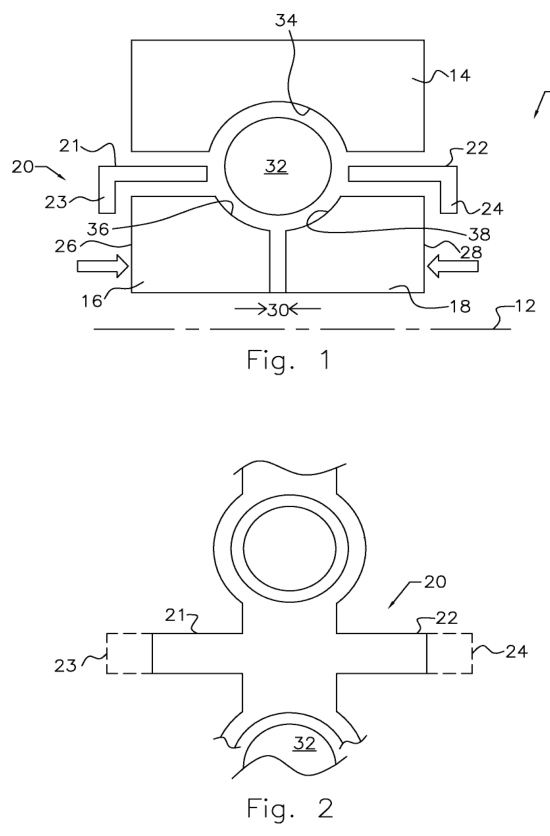
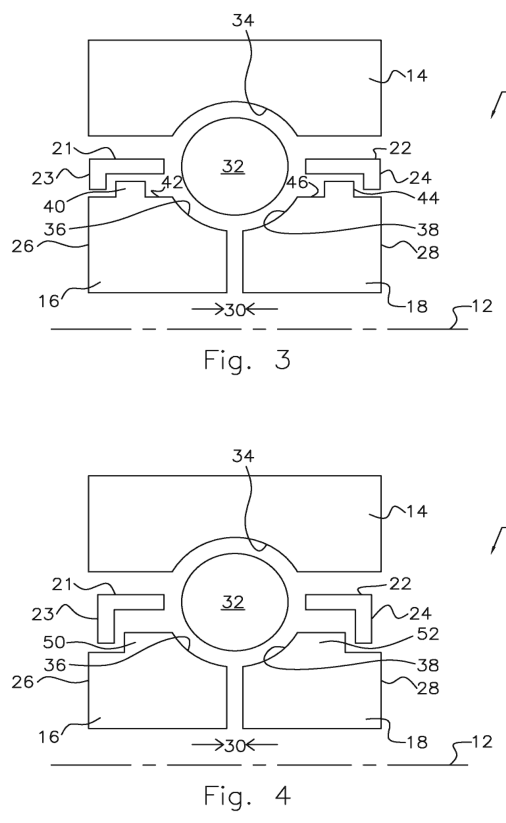
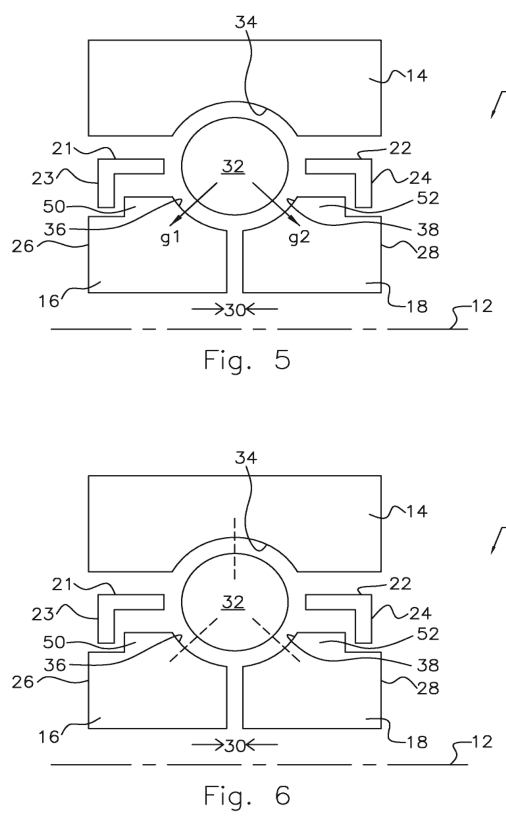
A rolling-element bearing with one race formed from two circumferential segments and the opposite race formed as a single piece. A cage with axial tabs engages and holds the two segments together while retaining each ball between aligned concave race surfaces; intended for rotating assemblies that see radial and axial (thrust) loads. Typical users include automotive and industrial drivetrain or gearbox assemblies.
(57) What the patent covered
This write-up was generated by AI from the patent's text and may contain mistakes, so check it against the original patent before relying on it.
The main independent claim requires a bearing in which one race comprises two segments whose contacting race surfaces form aligned pairs spaced circumferentially, the opposite race provides corresponding concave or curved surfaces, spherical balls occupy the annular space between the races, and a cage has alternating first and second axial tabs that press against and retain the respective first and second segments while maintaining gaps between the segments and spacing the balls.
Distinguishing feature: A cage that both locates the balls and axially retains the two split race segments to hold them together prior to and during installation.
Novelty 3/5. Split or segmented bearing races and cages were known; the patent adds a cage-shaped retention system that actively holds the segments together while preserving full ball contact.
Manufacturing
Heat-treat and grind hardened steel races and balls; machine or form two race segments to specified radius of curvature; produce cage by stamping and forming metal or injection molding polymer; assembly by placing cage and balls and fitting segments into cage tabs; final inspection and lubrication.
Materials: Hardened bearing steel (AISI 52100 or equivalent) for races and balls, stamped or injection-molded polymer or sheet-metal for cage (brass, steel, polyamide), surface treatments: nitriding, chrome plating, or bearing-grade heat treatment.
Manufacturability 4/5. Requires precision machining and raceway grinding for constant-radius concave surfaces plus a stamped or molded cage and controlled hand or automated assembly of segmented race into cage; tooling for race grinding and cage forming required.
Market demand
No demand check has been run for this patent. Likely search terms: segmented ball bearing, split race retainer bearing, cage retained split bearing. The links in the sidebar open these searches.
Buyers: Engine and gearbox OEMs, driveline component suppliers.
Before manufacturing
No related continuation or divisional patents in force were found. Design patents, trademarks and unrelated patents may still cover the product.
Patent has lapsed; practical risks include tight tolerances on race radii and surface finish, potential assembly sensitivity, and crowded market for specialized bearing forms.
About 1.5% of lapsed patents are later revived by their owners. This page is a research lead, not legal advice. Obtain a freedom-to-operate opinion before manufacturing.