Spherical-bearing pivot assembly for idler arms
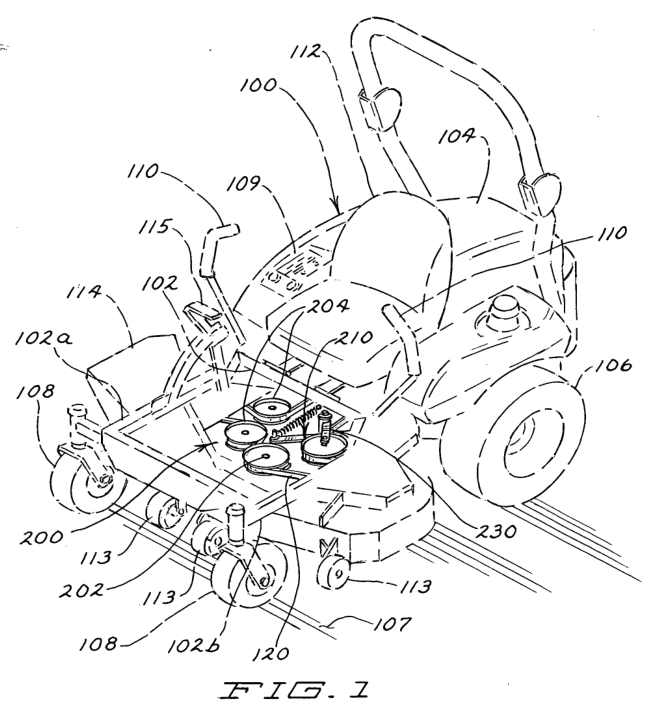
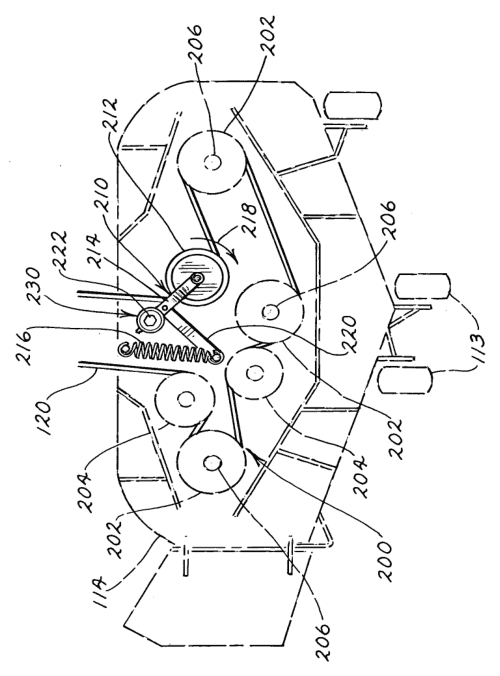
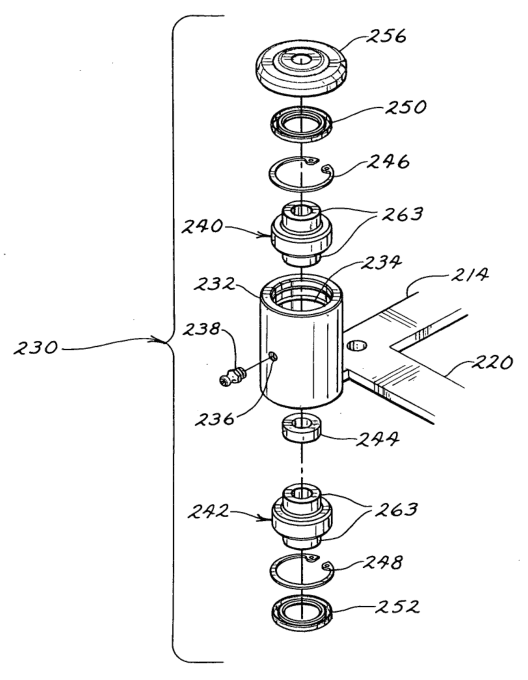
A pivot assembly for idler or similar pivoting arms that uses one or two spherical bearing units inside a sleeve to allow limited angular motion about a pivot axis. The design places an inner ball with a spherical outer portion and one or two tubular extensions inside an outer ring, with seals between the sleeve and the tubular portions and a friction seal between sleeve and outer ring; typical users include mower and small-vehicle OEMs and repair shops. The patent described using the assembly for belt-tensioning idler pivots on lawn mowers and similar machines.
(57) What the patent covered
This write-up was generated by AI from the patent's text and may contain mistakes, so check it against the original patent before relying on it.
The main independent claim required a sleeve that pivots about an axis containing a first spherical bearing assembly placed inside the sleeve; the bearing assembly must include an inner ball having a spherical portion and a tubular portion, an outer ring between the sleeve and the spherical portion, a sealing member between the sleeve and the inner ball tubular portion, and a friction seal between the sleeve and the outer ring. A second independent claim required two such spherical bearing assemblies within the sleeve, each with tubular portions and associated sealing members.
Distinguishing feature: Combining a spherical inner ball with one or two tubular extensions that present sealing surfaces to the sleeve, plus a friction seal between sleeve and outer ring, to reduce localized wear and provide a sealed pivot in idler applications.
Novelty 3/5. Spherical bearings and sealed pivots were common in machinery; the specific arrangement of tubular portions on the inner ball used as sealing surfaces and a separate friction seal inside the sleeve was a refinement on existing idler pivot joints.
Manufacturing
Inner ball and outer ring likely machined or sintered and heat-treated; sleeve formed by stamping and deep drawing or by machining; seals molded elastomer parts; final assembly by press-fitting the outer ring and seals into the sleeve and inserting the inner ball; standard shop assembly or light factory press operations.
Materials: Hardened steel or sintered steel for inner ball/outer ring, carbon or spring steel for tubular extensions (likely integral with inner ball), pressed or machined steel sleeve, elastomeric sealing member (NBR, EPDM or similar), PTFE or polymer friction seal (likely).
Manufacturability 4/5. Several machined or sintered bearing parts and molded seals with light assembly; requires bearing tolerances and press-fit tooling but no electronics or motors.
Market demand
No demand check has been run for this patent. Likely search terms: idler pivot spherical bearing, sealed pivot assembly mower, spherical bearing idler arm. The links in the sidebar open these searches.
Buyers: Lawn mower OEMs, small-vehicle OEMs, repair shops and mower deck manufacturers.
Before manufacturing
No related continuation or divisional patents in force were found. Design patents, trademarks and unrelated patents may still cover the product.
Patent has lapsed; potential practical issues include sourcing matched spherical bearing parts to specified tolerances and choosing elastomers compatible with outdoor oils and temperatures.
This patent has reached the end of its full term and cannot be revived. This page is a research lead, not legal advice. Obtain a freedom-to-operate opinion before manufacturing.