Locking electrical socket that uses a cam-driven pivoting tab
A wall or inline electrical socket that locks a standard two- or three-prong plug in place using a user-operable latch that turns a cam. The cam bears on one or more pivoting metal or plastic locking tabs that engage the plug prongs or plug body to resist pull-out forces; unlocking rotates the cam to release the tabs. Intended users include residential or light-commercial customers wanting outlets or extension-socket assemblies that resist accidental or deliberate plug removal.
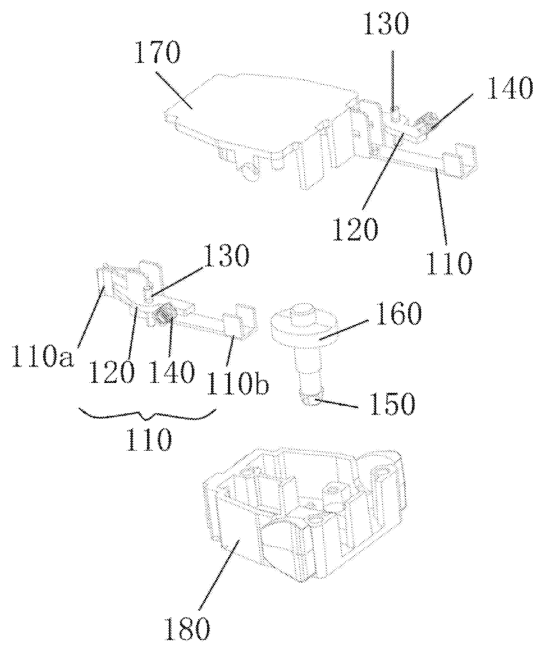
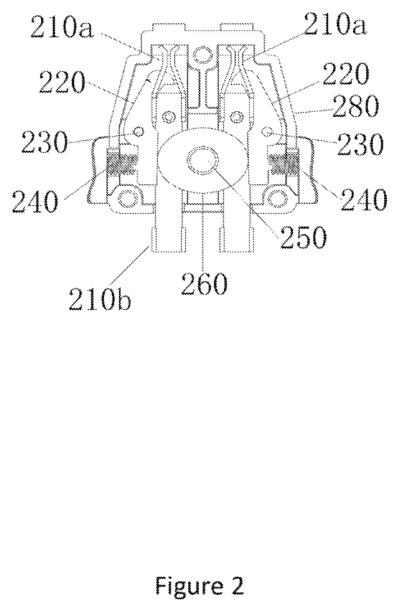
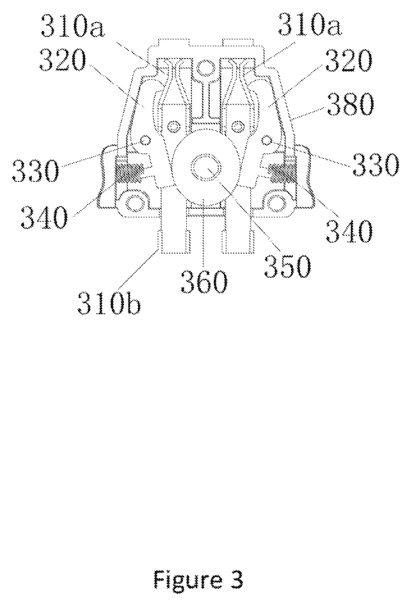
(57) What the patent covered
This write-up was generated by AI from the patent's text and may contain mistakes, so check it against the original patent before relying on it.
The independent claim required a housing with one or more recesses that accept plug prongs contacting conductors; a separate locking mechanism for each receptacle that includes a user-operable latch connected to a shaft that rotates a cam; the cam presses pivoting locking tabs, and the cam profile provides increased force on the tabs in the locked state so the plug is secured against pulling forces and removable when unlocked.
Distinguishing feature: A cam-shaped actuator on a shaft that increases normal force on pivoting locking tabs to hold a standard prong-type plug against pull-out.
Novelty 3/5. Locking outlets and plug retention clips existed; the patent emphasized a particular cam/profile acting on pivoting tabs to increase clamping force, which is a specific mechanical approach to the known problem.
Manufacturing
Injection-molded plastic housing and latch, stamped and formed metal conductors and locking tabs, turned or molded cam/shaft, crimp or solder attachment of conductors to wires, and hand or semi-automated assembly.
Materials: Thermoplastic housing (e.g., ABS or polycarbonate), Stamped brass or beryllium copper conductors, Stamped steel or plated spring steel locking tabs, Zinc or plastic cam and shaft components.
Manufacturability 4/5. Several stamped metal parts and molded plastics plus a small cam-shaft subassembly; standard injection molding and stamping tooling required and moderate hand or machine assembly for insertion and adjustment of cams and tabs.
Market demand
No demand check has been run for this patent. Likely search terms: lockable wall outlet, locking power socket, secured plug outlet. The links in the sidebar open these searches.
Buyers: Homeowners and small businesses seeking outlets or extension cords that prevent plug removal.
Before manufacturing
No related continuation or divisional patents in force were found. Design patents, trademarks and unrelated patents may still cover the product.
Electrical safety approvals (UL/CSA) and compatibility with local NEMA/IEC standards are required; the market has many existing retention devices which may limit differentiation.
About 1.5% of lapsed patents are later revived by their owners. This page is a research lead, not legal advice. Obtain a freedom-to-operate opinion before manufacturing.