Vehicle camera lens with a lower-pin water removal feature
A vehicle exterior camera whose outermost lens surface includes a water-removal element at the lower region. The element is a structure (for example a pin) located below the lens center that pierces or provides a drain path for droplets that collect at the lower lens edge, causing them to drain away and clear the field of view. Intended users are vehicle OEMs and suppliers integrating forward‑ or downward‑facing cameras for driver assistance and collision-avoidance systems.
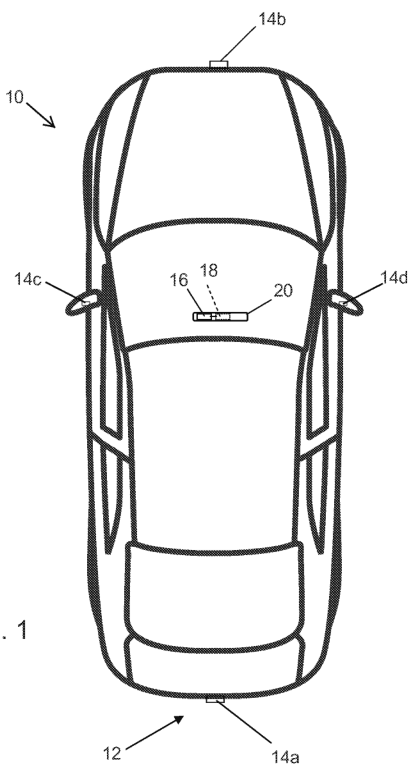
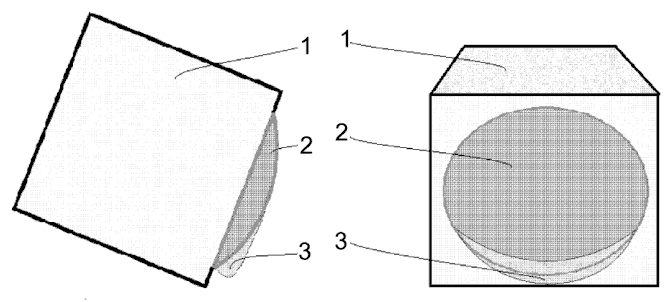
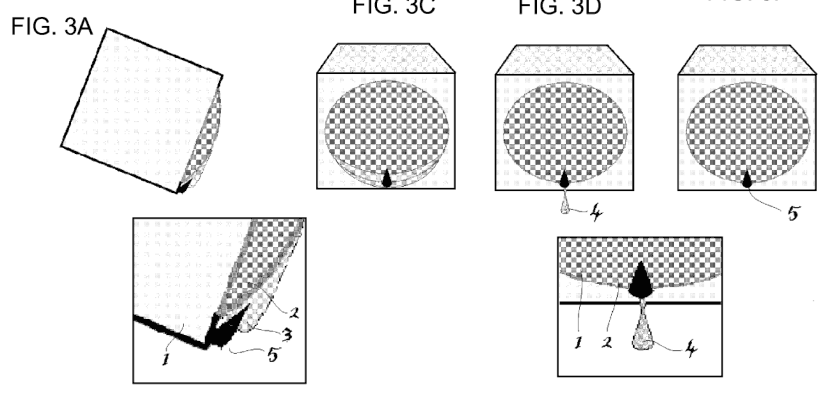
(57) What the patent covered
This write-up was generated by AI from the patent's text and may contain mistakes, so check it against the original patent before relying on it.
The independent claim requires a camera with a pixelated imaging array and an outermost lens surface having a defined central portion and a lower portion, and a water removal element disposed at that lower portion whose structure is configured to pierce a water droplet forming there so the droplet drains downward around the structure. The claim specifies the element is positioned at the lower portion when the camera is mounted and that piercing causes the droplet to drain.
Distinguishing feature: Placement of a discrete piercing/drain structure at the lower portion of the camera’s outer lens surface to mechanically rupture and direct collected droplets off the lens.
Novelty 3/5. Lens cleaning and heating for vehicle cameras were known; the patent’s difference is a small mechanical piercing/drain feature at the lower lens edge rather than only hydrophobic coatings or heaters.
Manufacturing
Outermost lens optic molded from optical polycarbonate or glass; water‑removal element formed as a metal pin or molded polymer protrusion and bonded into a recess or hole at the lower lens region during assembly; optional thin‑film heater patterned onto a non-imaging peripheral region; final camera assembly and sealing.
Materials: Injection‑molded optical-grade polycarbonate or glass lens, Stainless steel or molded polymer pin/element, Epoxy or UV adhesive for element attachment, Thin-film heater traces (optional).
Manufacturability 4/5. Requires one optical molding operation, one small formed/assembled water‑removal part (metal pin or molded protrusion), adhesive or ultrasonic insertion, and standard camera module assembly; tolerances for pin placement relative to lens curvature are moderate.
Market demand
No demand check has been run for this patent. Likely search terms: car backup camera lens drain pin, vehicle camera water removal feature, camera lens drain channel for automotive. The links in the sidebar open these searches.
Buyers: OEMs and aftermarket camera module suppliers for cars and trucks.
Before manufacturing
No related continuation or divisional patents in force were found. Design patents, trademarks and unrelated patents may still cover the product.
Practical risks include potential damage to optics or sensor if the piercing element is mispositioned, water drainage creating streaks, and possible regulatory or warranty concerns for exposed protrusions; patent is lapsed so no active exclusivity (not legal advice).
About 1.5% of lapsed patents are later revived by their owners. This page is a research lead, not legal advice. Obtain a freedom-to-operate opinion before manufacturing.