Local-first mobile client that queues UI actions and later syncs IDs with cloud CMS
A mobile client presents user interactions immediately by assigning local identifiers to content and applying actions locally while queuing corresponding requests to a cloud content management system. When connectivity allows the client uploads queued interactions, receives system-wide identifiers and confirmations, and reconciles local UI state with the CMS. Target users are mobile app teams building cloud-backed file/gallery/stream clients.
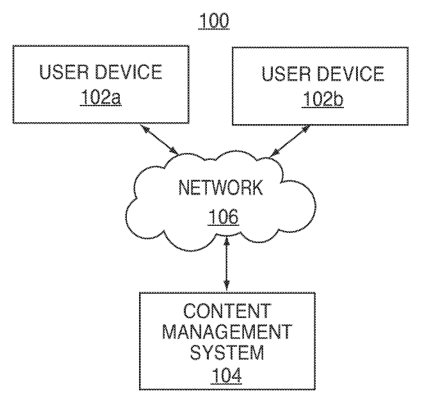
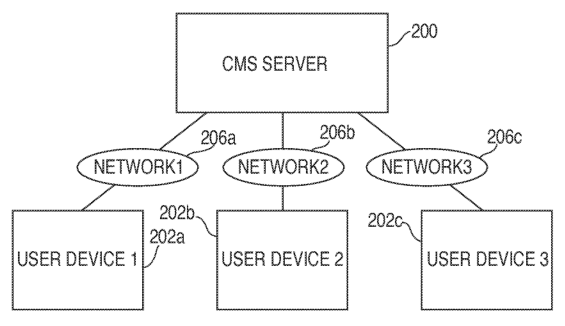
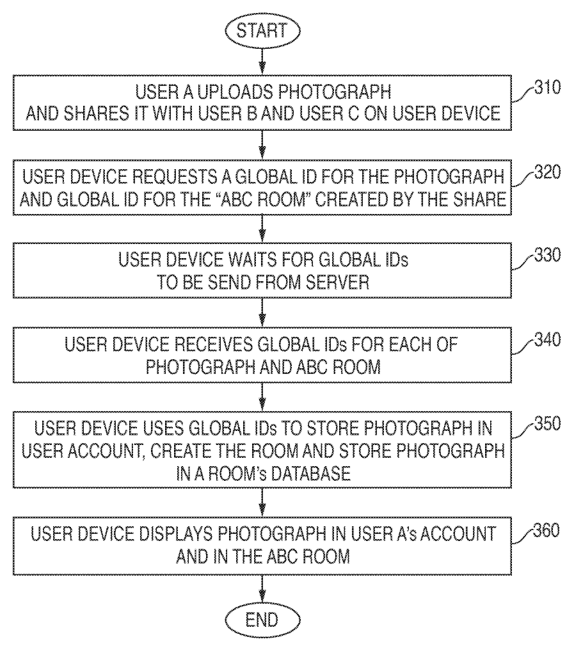
(57) What the patent covered
This write-up was generated by AI from the patent's text and may contain mistakes, so check it against the original patent before relying on it.
The independent claim required a client to (1) assign a local identifier to a content item in a shared virtual space, (2) associate that local identifier with detected user interactions and queue those interactions for upload, (3) present the results of interactions in the client UI before upload completes, (4) receive from the CMS a system-wide identifier for the content item, and (5) replace the local identifier with the system-wide identifier and reconcile state.
Distinguishing feature: Presenting and queuing user actions under local identifiers, then replacing those identifiers with server-assigned system-wide identifiers when the CMS confirms upload.
Novelty 3/5. At filing (2013–2014) local-first mobile UI patterns and background upload existed, but the explicit flow tying local IDs, queued actions, visible UI state and later replacement with server IDs for shared spaces was a notable refinement.
Implementation
Implement a local-first client that assigns UUIDs to new or modified items, records user actions in an append-only local queue, applies actions immediately to the UI and local store, run a background sync worker that uploads queued actions to the CMS REST endpoints, accept server responses that return canonical IDs and operation confirmations, and atomically swap local IDs for server IDs and replay or reconcile queued actions as needed.
Components: Mobile app (iOS/Android) with local persistence layer (SQLite or local file store), background sync worker/task queue, cloud CMS REST API that issues system-wide identifiers, conflict-resolution or reconciliation logic.
Buildability 5/5. Engineering effort is straightforward; the key work is robust sync logic, id-mapping, and conflict handling under intermittent connectivity.
Market demand
Comparable products exist; none doing exactly this was found. PouchDB and Realm/Atlas Device Sync are established offline-first sync solutions with active communities and documented outbox patterns; KiteSync provides an open-source library for realm-based offline sync; market interest in offline-first mobile sync is rising, with many blogs and tutorials outlining outbox/write-ahead log patterns.
- PouchDB · Apache Software Foundation / Open sourcefree
- MongoDB Atlas Device Sync (formerly Realm Sync) · MongoDBfree tier + paid plans
- KiteSync realm-sync-js · KiteSync (GitHub project)free
Demand check by web search, week of Oct 12, 2026. Listings change frequently.
Buyers: Mobile teams building cloud-backed file, photo, or stream apps.
Before manufacturing
No related continuation or divisional patents in force were found. Design patents, trademarks and unrelated patents may still cover the product.
Patent has lapsed; practical risks are engineering complexity around merge/conflict resolution and existing open-source sync libraries or prior-art implementations.
About 1.5% of lapsed patents are later revived by their owners. This page is a research lead, not legal advice. Obtain a freedom-to-operate opinion before manufacturing.