Inflatable patient turning and positioning pad for labor and bedside care
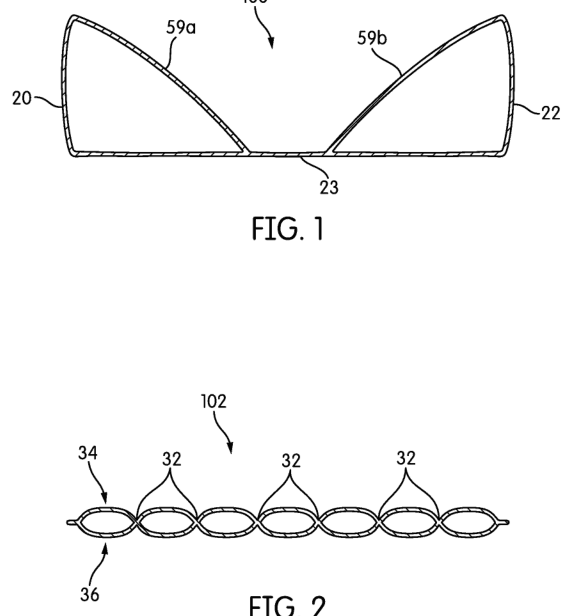
A bed-mounted turning pad with two inflatable side chambers and a separate inflatable positioning pad that lies between patient and turning pad. The side chambers inflate via hoses to tilt the patient left or right and the positioning pad shifts or wedges the patient toward the head, foot or side of the bed; intended for use by labor nurses and bedside caregivers. The system includes handles, connectors and a base pad or securing sleeves to hold chambers in place and uses an air-supply system to inflate chambers and pads.
(57) What the patent covered
This write-up was generated by AI from the patent's text and may contain mistakes, so check it against the original patent before relying on it.
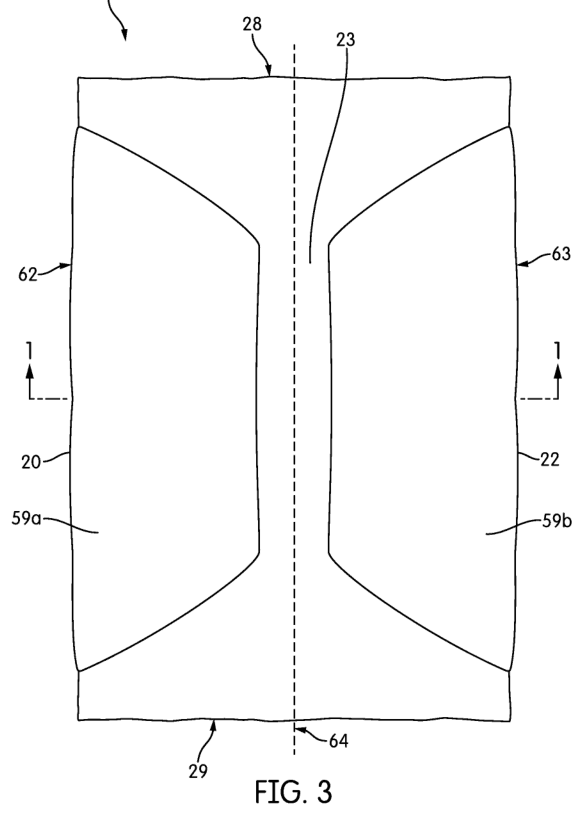
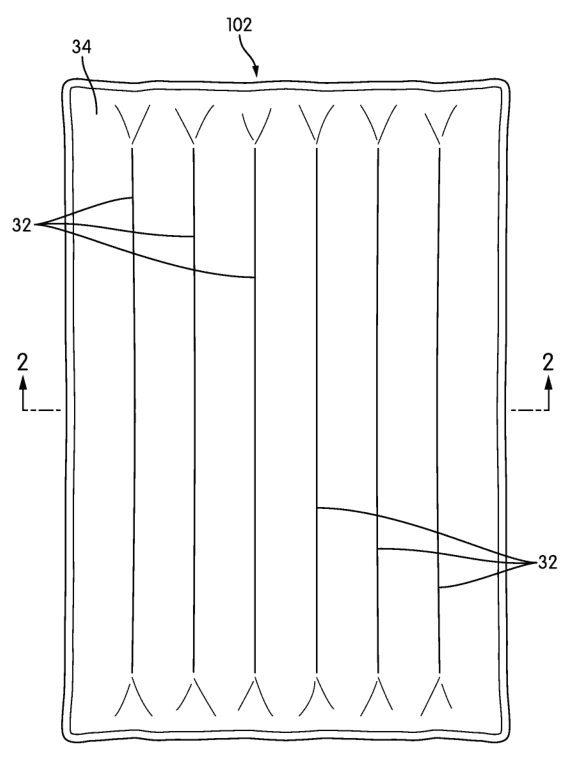
The main independent claim covered an apparatus comprising: a base pad to which left and right inflatable chambers are fastened; each chamber having internal support structures fastened to its inside surface; left and right chamber connectors for air hoses; an inflatable positioning pad with seams, top and bottom surfaces, attached handles and an inflatable positioning pad connector; and an arrangement in which the inflatable positioning pad lies over the turning pad and under the patient. The alternative independent claim added left and right securing sleeves on the base sheet into which the chambers are inserted.
Distinguishing feature: The combination of two opposed inflatable turning chambers with internal support structures plus a separate inflatable positioning pad with handles and dedicated connectors for rapid inflation set it apart from ordinary single-wedge pillows.
Novelty 3/5. Turning and wedge pillows were common; the patent claimed a paired-chamber inflatable turning pad with internal support structures and a separate inflatable positioning pad, a clear improvement on familiar foam wedges but not a wholly new category.
Manufacturing
Heat-weld or RF-weld coated fabric to form inflatable chambers and seams; stitch or weld base sheet and securing sleeves; attach webbing support structures inside chambers by stitching or welding; assemble hose connectors and valves; final inspection and packaging.
Materials: PVC or TPU-coated fabric for inflatable chambers and positioning pad, Nylon or polyester base sheet, Reinforcing webbing or fabric for chamber support structures and handles, Standard plastic hose fittings and valves.
Manufacturability 4/5. Several thermo-welded inflatable parts and sewn/welded base sheet with attachment of hose fittings and handles; requires inflatable-part tooling and assembly but no electronics or precision metalwork.
Market demand
This design, or something very close to it, is on sale now. Typical retail price: $1967. Official Q2Roller page and multiple distributors list the device for hospital use; price listed by at least one distributor; product is marketed for labor/delivery and bedside care settings.
- Q2Roller Lateral Turning Device (HTR-200) · RPS MedCare$1,966.99
- Q2Roller Lateral Turning Device · Ultraray Medical
Demand check by web search, week of Oct 12, 2026. Listings change frequently.
Buyers: Labor and delivery nurses, maternity wards, bedside caregivers.
Sourcing
Factories list related products that could be adapted. I did not find any Alibaba.com, Made-in-China.com, Global Sources, or DHgate listings that show this exact product (inflatable patient turning/positioning pad with dual side chambers and a separate positioning pad) with visible unit prices. I did locate related or competing devices (e.g., inflatable repositioning sheets and turning/positioning systems from medical brands) but none with price quotes on the listed marketplaces. If you’d like, I can broaden the search to include manufacturer catalogs, OEM/ODM factories with MOQ quotes, or other medical device marketplaces and provide price quotes when found.
Supplier prices are from public listings found by web search, quoted before customization, shipping and duties. Use them to decide whether to request a quotation.
Before manufacturing
No related continuation or divisional patents in force were found. Design patents, trademarks and unrelated patents may still cover the product.
Regulatory classification as a medical device and hospital infection-control requirements could affect materials and cleaning methods; market has many foam and inflatable alternatives.
About 1.5% of lapsed patents are later revived by their owners. This page is a research lead, not legal advice. Obtain a freedom-to-operate opinion before manufacturing.